The Wet Hair Care Routine That Stops Breakage Before It Starts
What you do in the first few minutes after washing determines your hair's strength. Build the routine that protects every strand.
3/15/20263 min read
After washing your hair, the way you handle it in the first few minutes can make a significant difference in long-term hair health. Wet strands are more delicate, which means rough towels, aggressive brushing, or skipping protective products can easily lead to breakage and frizz. A simple wet hair routine helps protect the hair fiber while it dries.
Many of the most common hair problems — including breakage, tangles, and frizz — actually start right after the shower.
Why Wet Hair Needs Extra Care
When hair is wet, the outer cuticle layer becomes softer and more elastic. This allows strands to stretch more easily, but it also makes them easier to damage.
This is why stylists recommend using a gentle routine while hair is damp. Understanding why wet hair is structurally weaker can help you prevent unnecessary breakage during daily styling.
Step 1: Gently Remove Excess Water
Instead of rubbing hair with a traditional towel, gently blot or press your hair with a microfiber towel or soft cotton fabric. Rough towel drying creates friction that can weaken the cuticle and cause frizz.
Step 2: Apply Leave-In Conditioner
Before brushing or combing your hair, apply a lightweight leave-in conditioner to damp strands. Leave-in products create slip, which reduces friction and helps prevent breakage while detangling. This is why many stylists recommend always using leave-in before brushing wet hair.
Step 3: Detangle Hair Slowly
Begin detangling from the ends of your hair and gradually work your way upward. Using a wide-tooth comb or gentle detangling brush helps minimize tension on the hair shaft. If done correctly, detangle wet hair without breakage and protect fragile strands.
Step 4: Avoid Brushing Soaking Wet Hair
Hair is most fragile when it is dripping wet. Allow your hair to become slightly damp before detangling to reduce stretching and tension on the strands. These first few minutes after showering are when your hair needs the most protection.
Step 5: Protect Hair While Drying
If air-drying, avoid excessive touching or manipulation while your hair dries. If using heat tools, apply a heat protectant and use moderate heat settings to help maintain smoothness and strength.
Healthy Hair Starts With Your Routine
Products matter, but long-term hair health is often determined by daily habits. Small changes to your wet hair routine can help reduce breakage and improve the overall appearance of your hair.
Consistent care after washing helps maintain stronger, smoother hair over time.
Stylist Tip
Many hair problems start immediately after washing. Hair stretches easily when wet, which is why rough towels, aggressive brushing, and skipping leave-in conditioner can lead to breakage over time.
Protecting hair in the first few minutes after showering is one of the simplest ways to maintain stronger, healthier hair.
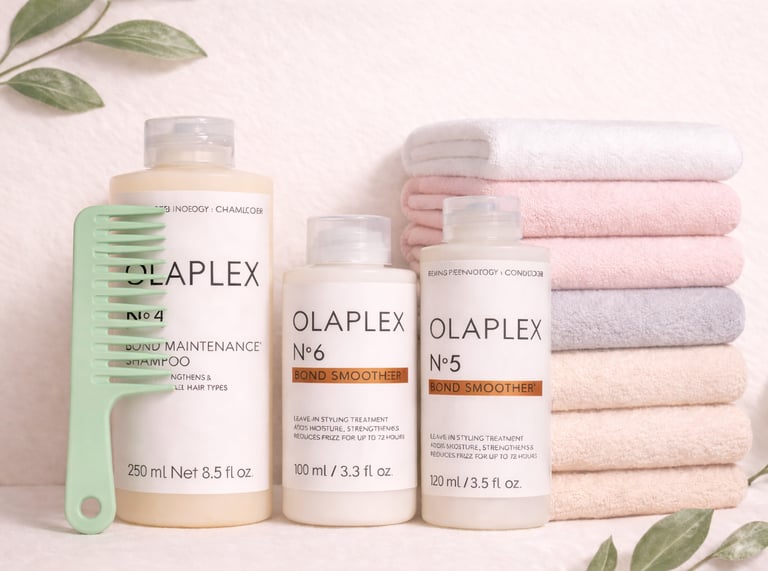
Tools That Help Protect Wet Hair
Stylist-Recommended Products & Tools
• Wide-tooth comb
• Olaplex No.4 Bond Maintenance Shampoo
• Olaplex No.5 Bond Maintenance Conditioner
• Olaplex No.6 leave-in conditioner
These tools help reduce friction, protect fragile strands, and make detangling easier.


Related Articles
If you want to improve your hair routine further, these guides can help:
• Why the First 5 Minutes After Showering Matter for Your Hair
• Why Wet Hair Is Structurally Weaker (The Science Behind Breakage)
• How to Detangle Wet Hair Without Breakage
• Why You Should Always Use Leave-In Before Brushing Wet Hair
Hair is most fragile when wet. Using the right routine helps prevent unnecessary breakage.
Using the right tools can help reduce friction and protect fragile hair when its wet.
This article may contain affiliate links. If you purchase through these links, GlowAlignedLife may earn a small commission at no extra cost to you.
Glow Aligned Life
Thoughtful tools, guides, and insights to support clearer decisions, calmer living, and aligned choices.
Home
© 2026. Glow Aligned Life. All rights reserved.
Affiliate Disclosure: As an Amazon Associate, I earn from qualifying purchases. 〔Privacy Policy〕⎥〔Terms of Use〕
About Skye
Shop Glow Picks
Healthy Hair Guide
Explore the Method